
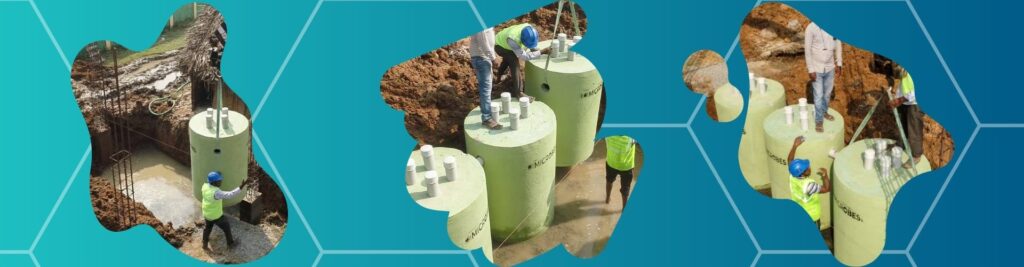
Investing in a bio septic tank is a forward-thinking decision for sustainable waste management, offering a reliable, eco-friendly, and cost-effective alternative to traditional septic systems. For homeowners and villa owners, particularly in a metropolitan area like Chennai, choosing the best bio septic tank Chennai has to offer is crucial for long-term peace of mind. This comprehensive guide details the installation process, explains the technology, and provides essential pricing information to help you transition smoothly from plot planning to an operational, efficient system.
Understanding the Bio Septic Tank Advantage
A bio septic tank utilizes natural biological processes—specifically anaerobic bacteria—to break down organic waste. Unlike conventional septic tanks that merely separate solids and require frequent, costly desludging, a bio septic system actively treats the wastewater. The result is significantly reduced sludge accumulation and an environmentally safe effluent water that can often be safely discharged or even reused for gardening.
Key Benefits Over Traditional Systems:
- Environmental Friendliness: Treats waste biologically, minimizing the risk of groundwater contamination, a significant concern in high-water table areas.
- Minimal Maintenance: The continuous biological breakdown of solids dramatically reduces the need for frequent pump-outs, translating to lower operational costs over the system’s lifespan.
- Odor-Free Operation: The controlled anaerobic digestion process largely eliminates the foul odors often associated with conventional tanks.
- Space-Efficient: Their compact design makes them highly suitable for residential properties, especially those with limited outdoor space in and around Chennai.
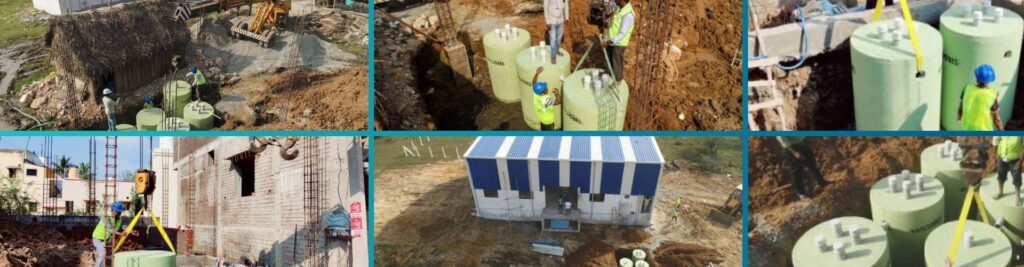
The Bio Septic Tank Installation Process: A 7-Step Guide
The successful installation of a bio septic tank is a multi-step process that demands careful planning, precision, and adherence to local regulations. While the exact methodology may vary slightly based on the model (e.g., those from Microbes [Micro Bio Enviro System]), the core stages remain consistent.
Step 1: Site Assessment and Planning
Before any excavation begins, a qualified technician will conduct a thorough site assessment. This step is fundamental to ensuring the system’s longevity and efficiency.
- Location Selection: The location must be easily accessible for construction and future, minimal maintenance, while maintaining a safe distance from borewells, water lines, and the home’s foundation, as per local municipal norms.
- Capacity Determination: The tank size is selected based on the number of users and estimated daily water usage. For a standard home, a system like a 1000 Litre Bio Septic Tank might be suitable, but larger villas will require greater capacity. Refer to the table below for standard sizing by capacity.
- Regulatory Compliance: Ensure all necessary permits and approvals from local authorities are secured, particularly for installations in the Chennai region.
Step 2: Excavation and Pit Preparation
The pit must be excavated to the exact dimensions required for the chosen tank model, ensuring a level and stable base.
- Digging: The excavation depth and width must allow for the tank structure, surrounding backfill material, and necessary pipework clearance.
- Base Preparation: The bottom of the pit must be leveled and compacted. In some cases, a lean concrete base or a layer of sand is laid to provide a perfectly stable foundation, preventing tank shifting or damage over time.
Step 3: Tank Placement and Securing
This is the most critical physical step, often requiring lifting equipment for larger tanks.
- Lowering the Tank: The bio septic tank is carefully lowered into the prepared pit, ensuring it is perfectly level and oriented correctly to align with the existing or planned drainage lines.
- Securing the Tank: In areas with high groundwater tables, or for lightweight tanks, anti-flotation measures (like concrete collars or straps) may be required to prevent the tank from floating when empty.
Step 4: Piping and Connection
The sewage line from the house (inlet) and the treated water discharge line (outlet) are securely connected.
- Inlet Connection: Connect the incoming sewage line to the tank’s inlet port, ensuring a proper, watertight seal.
- Outlet Connection: Connect the treated effluent line from the final chamber to the designated discharge point (e.g., a soak pit or drainage line). Proper slope for gravity flow is non-negotiable for system functionality.
- Ventilation: Install the required ventilation pipes (typically extending above the roofline) to allow for the release of odorless gasses produced by the anaerobic digestion.
Step 5: Backfilling and Water Filling
The process of backfilling must be done carefully in conjunction with filling the tank with water to balance external and internal pressures and prevent structural damage.
- Partial Water Fill: Fill the bio septic tank about one-third full with clean water. This stabilizes the structure.
- Backfilling: Use excavated soil, sand, or a mixture (free of large rocks or debris) to fill the gaps around the tank, compacting it in layers. Continue backfilling while incrementally adding water to the tank, keeping the soil level roughly even with the water level inside until the tank is fully surrounded and buried.
Step 6: Inoculation and Commissioning
The final step before the system becomes fully operational involves introducing the specialized microbial culture.
- Inoculation: Introduce the required microbial culture (the Microbes solution, for instance) into the tank. This beneficial bacteria is essential for kickstarting the anaerobic digestion process.
- Initial Testing: Flush toilets and run water for a short time to verify flow, check all connections for leaks, and confirm the system is ready to handle household waste.
Step 7: Final Landscaping and Documentation
The area is returned to its original state, and the owner is provided with system documentation.
- Covering and Landscaping: Install the final manhole covers and perform necessary surface restoration, ensuring easy access for future inspections.
- Handover: Provide the homeowner with maintenance guidelines, warranty information, and contact details for the installer (Micro Bio Enviro System) for future support.
Cost and Capacity for Bio Septic Tanks in Chennai
The bio septic tank price is primarily determined by capacity, material (FRP, RCC, etc.), and complexity. The following table provides a reference for common capacities, aligning with typical offerings for the Best Bio Septic Tank Chennai market, using a sample from the Microbes product line.
| S No | Users | Capacity (Litres) | Composite Tank (1500 L) | Dehydration Tank (1000 L) | Price (Rs.) | GST |
| 1 | 1 to 3 | 2500 L | 1 | 1 | ₹68,000 | 18% |
| 2 | 4 to 6 | 4000 L | 2 | 1 | ₹84,000 | 18% |
| 3 | 7 to 10 | 5000 L | 2 | 2 | ₹94,000 | 18% |
| 4 | 11 to 15 | 6000 L | 2 | 3 | ₹108,000 | 18% |
| 5 | 11 to 15 | 6500 L | 3 | 2 | ₹118,000 | 18% |
| 6 | 15 to 20 | 7500 L | 3 | 3 | ₹138,000 | 18% |
| 7 | 20 to 35 | 10,000 L | 4 | 4 | ₹194,000 | 18% |
| 8 | 35 to 50 | 12,500 L | 5 | 5 | ₹228,000 | 18% |
| 9 | 50 to 60 | 15,000 L | 6 | 6 | ₹294,000 | 18% |
| 10 | 60 to 80 | 17,500 L | 7 | 7 | ₹348,000 | 18% |
| 11 | 80 to 100 | 20,000 L | 8 | 8 | ₹394,000 | 18% |
| 12 | 100 to 130 | 25,000 L | 10 | 10 | ₹498,000 | 18% |
| 13 | 130 to 150 | 30,000 L | 12 | 12 | ₹598,000 | 18% |
The 1000 Litre Bio Septic Tank price generally refers to the unit’s starting capacity or the total size of its individual chambers. Always clarify the total treatment capacity and the number of users it supports when comparing the bio septic tank price in Chennai. Installation and transportation charges are typically separate.
The Importance of Choosing a Reputable Provider
When committing to a bio septic tank, your long-term satisfaction hinges on the quality of the product and the expertise of the installer. Companies like Microbes [Micro Bio Enviro System] specialize in this technology, ensuring the correct microbial culture is used and the installation adheres to stringent quality and safety standards. Selecting a local, trusted provider in Chennai guarantees timely support and expertise specific to the region’s climate and soil conditions.
Frequently Asked Questions (FAQs)
1: What is the main difference between a traditional septic tank and a bio septic tank?
A bio septic tank is fundamentally different because it is a sewage treatment system, not just a storage unit. Traditional tanks rely on sedimentation, leading to a large buildup of sludge that requires frequent desludging. A bio septic system uses specialized, beneficial bacteria (microbes) to biologically digest the organic waste, significantly reducing sludge volume and producing a clearer, environmentally safe effluent water. This results in minimal maintenance and a virtually odorless operation.
2: What factors determine the final Bio Septic Tank price in Chennai?
The final bio septic tank price in Chennai is determined by several factors:
- Capacity: Larger tanks (e.g., 5000 litres or more) cost more than a standard 1000 Litre Bio Septic Tank price.
- Material: Tanks made from durable materials like high-grade FRP (Fiber Reinforced Plastic) or pre-cast RCC (Reinforced Cement Concrete) have different costs.
- Site Conditions: Difficult excavation (rocky soil, high water table) and complexity of piping connections can increase the overall installation cost.
- Brand and Technology: Reputable brands like Microbes [Micro Bio Enviro System] often reflect superior build quality and effective microbial technology in their pricing.
3: Is a Bio Septic Tank suitable for my home in Chennai’s water table conditions?
Yes, a bio septic tank Chennai is an excellent solution for the region. Chennai’s coastal environment often features a high water table and challenging soil conditions. Bio septic tanks offer a contained, efficient treatment process that minimizes the risk of untreated effluent contaminating the groundwater, which is a common problem with poorly functioning traditional soak pit systems in such environments.
4: How often does a Microbes Bio Septic Tank need to be emptied or maintained?
One of the primary advantages of a Micro Bio Enviro System bio septic tank is its low maintenance requirement. Due to the continuous biological breakdown of solids by the specialized microbes, the residual sludge accumulation is minimal. Unlike traditional tanks that may need pumping every 1-3 years, a well-maintained bio septic tank may only require inspection or partial sludge removal every 5 to 10 years or even longer, depending on usage. Regular system checks and proper use are key to this extended maintenance cycle.
5: Can the treated water from the Bio Septic Tank be reused?
The water discharged from a properly functioning bio septic tank is significantly cleaner than the effluent from a traditional system. While it is non-potable, the treated water is generally suitable for non-contact uses such as gardening, landscaping, and tree irrigation. Always check with your supplier or local environmental regulations in Chennai regarding the permitted discharge or reuse of treated greywater in your specific area.
Contact Us for a Consultation
Ready to upgrade your home or villa with the best in waste management technology? Our certified experts can help you select the ideal capacity and provide a detailed quote, including the most current bio septic tank price and installation costs tailored for the Chennai region.
Secure Your Site Assessment Today.